
Google Bets on Gemini and Durability With the Pixel 11 Lineup
Google unveiled the Pixel 11 series, Pixel Watch 5 and its first tracking tag at Made by Google 2026, alongside new Gemini features and higher prices.
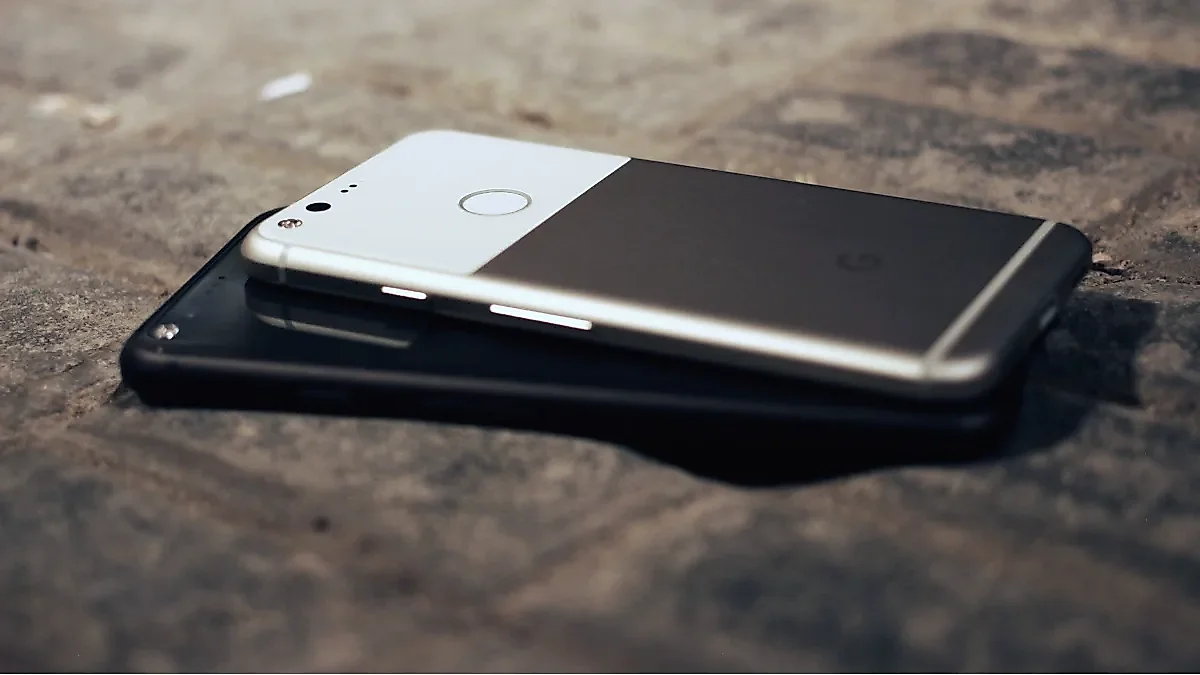
Google's Made by Google 2026 keynote on Wednesday, covered in detail by TechCrunch, delivered a full hardware slate — Pixel 11, Pixel 11 Pro and Pro XL, the Pro Fold, a Pixel Watch 5, and the company's first item tracker — but the through-line running under all of it was pricing. Every tier moved up, and Google spent the event building a case for why that should be acceptable.
That case rests on three arguments: more storage in the box, hardware that survives longer, and Gemini woven through everything. Whether it holds depends almost entirely on how much buyers value the third.
Paying More, Getting More Storage
The entry Pixel 11 climbs to $899 and the Pro opens at $1,099, each a clean $100 above its Pixel 10 equivalent, with the 128GB configuration discontinued so every model now begins at 256GB. TechCrunch attributes part of that increase to the RAM supply squeeze currently rippling through the industry, which suggests the jump is not purely a positioning decision.
On the base model, the visible change is a camera bar Google trimmed by more than 40 percent and rewrapped in glass spanning the full width of the phone, offered in Frost, Hibiscus, Pistachio and Obsidian. The Pro pair trades novelty for resilience, with better drop survival and a display coating Google rates at over twice the scratch resistance of the Pixel 10 Pro, while this year's Obsidian finish goes fully matte alongside Canyon, Fog and Olive.
The Pro Fold absorbed the most engineering attention. Google shaved close to 10 percent of its weight and nearly a millimetre of thickness, narrowed the bezels, fitted a 48-megapixel main sensor with 30x Super Zoom, and rebuilt both the hinge and the back cover in glass-fibre composite for what it claims amounts to triple the durability of last year's foldable. For a form factor that has spent years fighting a reputation for fragility, that emphasis is the entire point.
Where Gemini Actually Shows Up
The most substantive AI news was not a chatbot upgrade. Live Transcribe gained American Sign Language support, turning the Pixel Camera into a signing-to-text bridge, while a new voice-input mode called Rambler is built to parse how people genuinely talk — filler words, run-on phrasing, half-finished thoughts — rather than demanding dictation discipline. Circle to Search also moved into the camera itself, collapsing the gap between looking at something and searching for it.
These are modest features taken one at a time. Collectively they describe Google's real AI strategy for hardware: not a destination app, but friction quietly removed from things people already do on the device.
Filling a Long-Standing Gap
Pixel Tag, at $29 alone or $99 in a four-pack, finally gives Android a first-party tracker running on the Find Hub network, locatable from a Pixel Watch or by asking Gemini through a pair of Pixel Buds. It undercuts Apple's AirTag on price, though the network density that makes any tracker useful will ultimately decide whether that matters.
The Pixel Watch 5, starting at $399 for the 41mm and $429 for the 45mm with a $579 Stephen Curry workout edition, adds monthly blood pressure and insulin resistance trend summaries to Google Health rather than new sensors, shifting the pitch toward reading long-term patterns instead of instantaneous readings. Pixel Buds Pro, for its part, simply picks up an Olive colourway.
The lineup consolidates rather than reinvents, and it arrives into a market where replacement cycles keep stretching further out. Google's wager is that durability plus ambient AI is enough to shorten them.
Editor responsible for AI Newsway, operated by ZZEM. Writes about AI, developer tools, cloud and productivity technology.



Comments 0
Comments are currently disabled.