Akamai said Thursday that Anthropic has committed $11.6 billion over seven years to its cloud infrastructure, and that the deal comes with something Akamai has never attached to a cloud contract before: a warrant giving the customer a potential stake of up to about 5% in the supplier. It is the largest contract in Akamai's 28-year history, and more than six times the size of a $1.8 billion arrangement the two companies struck in May.
Key takeaways
- Anthropic committed $11.6 billion over seven years to Akamai Cloud, with expansion clauses that could lift the total to roughly $20 billion.
- Akamai issued a warrant for non-voting Series B preferred stock convertible into 7.7 million common shares at $111.33 apiece — about 5% of shares outstanding — with roughly 2% vesting once Anthropic makes its first payment.
- Akamai expects no revenue from the contract in 2026, $150 million to $300 million in 2027, and an annual run rate near $1.7 billion by the end of 2028.
Why the chips here are CPUs, not GPUs
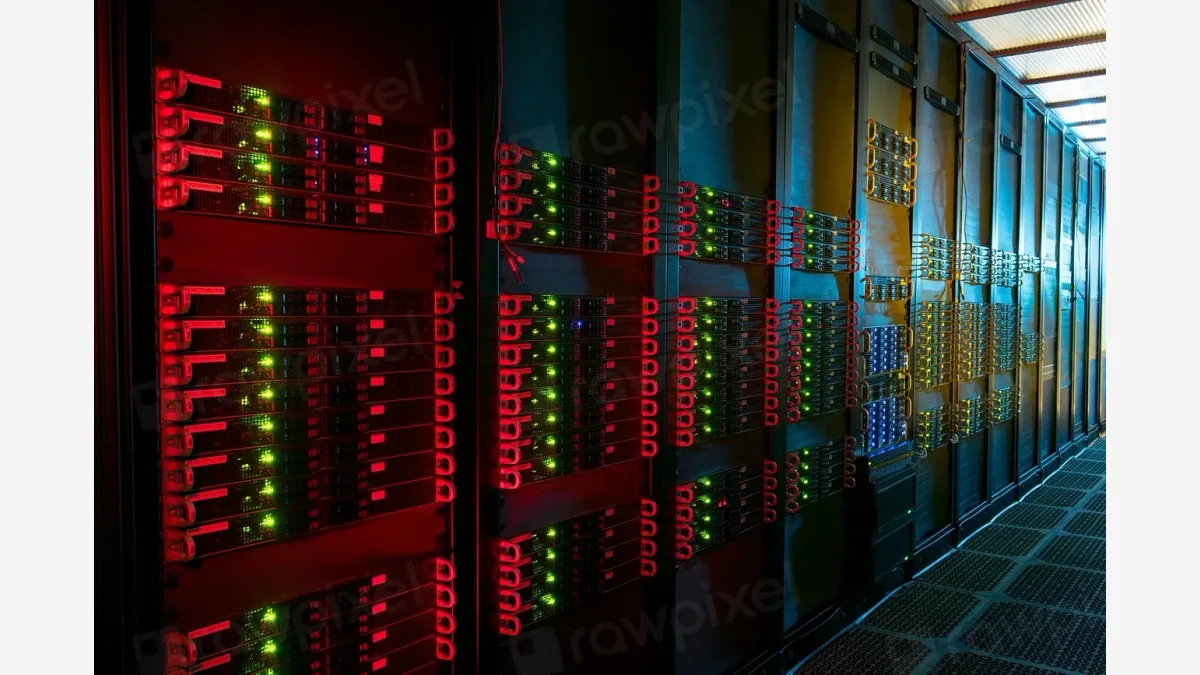
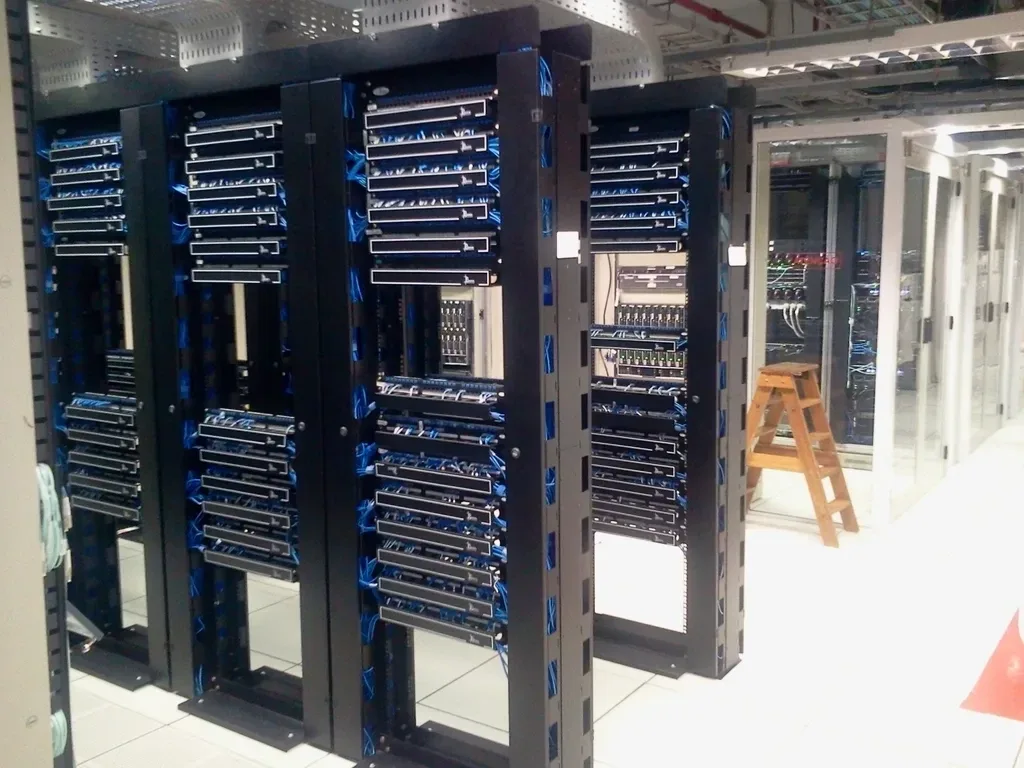
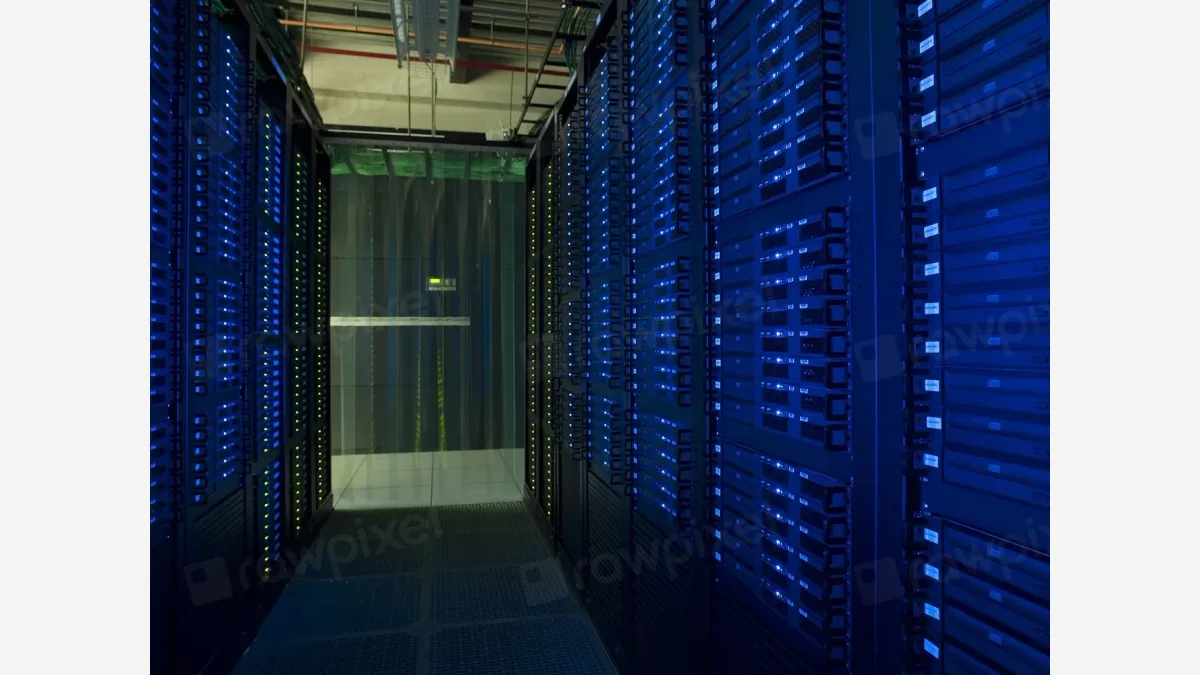
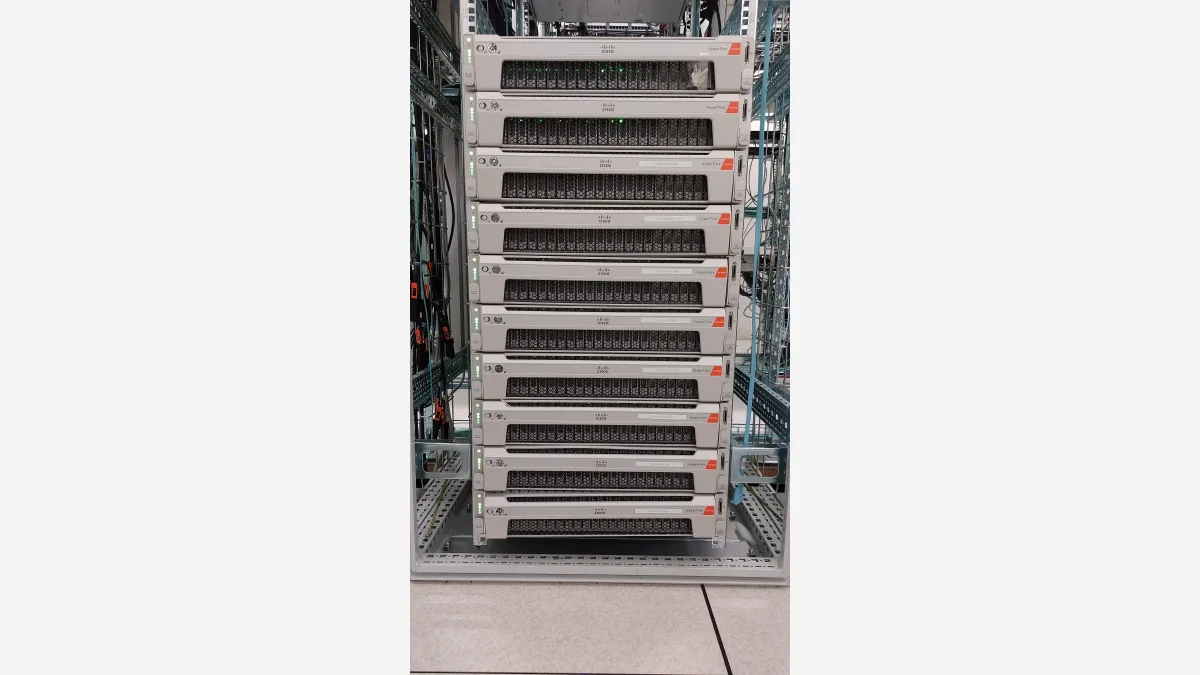
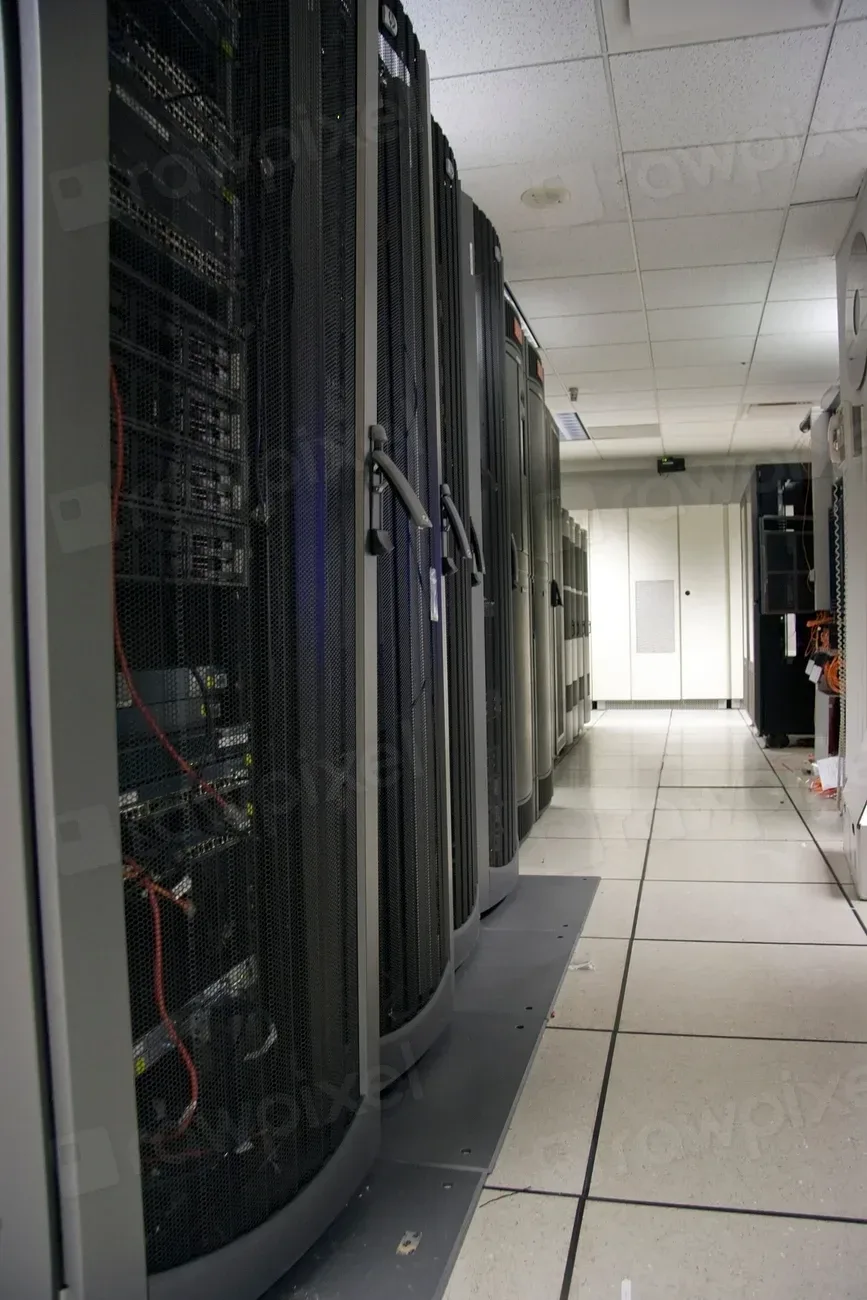
Nearly every headline compute deal of the past two years has been about accelerators. This one is not. Akamai is supplying central processing units — the general-purpose silicon that runs code, executes shell commands and browses the web — rather than the training hardware that dominates GPU cloud pricing.
That reflects a shift in where the work is going. An AI agent that spends an hour operating a browser, running tests and calling APIs consumes far more CPU time than model weights. Akamai declined to say what specifically Anthropic will run on the capacity, and the company's edge-heavy footprint is an unusual fit for a frontier lab. A network built to put cache nodes close to end users is not obviously the cheapest place to park bulk compute, unless latency to the user is part of the point. That would fit a product roadmap in which agents act on behalf of people in real time rather than grinding through offline batches.
How the warrant inverts the circular-deal pattern
The financial structure is the part Wall Street will argue about. In the familiar version of a circular AI deal, the supplier invests in the lab that buys from it — Amazon, Google, Microsoft and AMD have all put money into Anthropic while selling it chips or capacity. Here the direction is reversed.
Akamai issued Anthropic a warrant for non-voting convertible Series B preferred stock, exercisable into 7.7 million common shares at $111.33. About 2% is expected to vest when Anthropic makes its first payment; the remaining 3% unlocks only as spending grows, at roughly 1% for every additional $3 billion committed, up to $9 billion more. AMD used comparable milestone-linked warrants with OpenAI last year, though in that case the lab was the one receiving chips, not selling anything back.
Chief executive and co-founder Tom Leighton told Bloomberg it was the first time Akamai had agreed to a warrant in a customer deal, calling it a serious step that nonetheless made sense in this case. In Akamai's own announcement, he framed it as a vote of confidence.
Anthropic is advancing the AI revolution and we are thrilled they chose Akamai's capabilities for building and operating AI infrastructure at scale.
Notably, Anthropic itself was not quoted in that release at all.
What saying yes costs Akamai
Building the capacity will take roughly $5.5 billion in capital spending, more than six times what Akamai spent in all of 2025. The company is also adding about $1.7 billion to this year's capex to pre-purchase components, memory among them, ahead of a market that has tightened sharply.
The commitment is not unconditional. As TechCrunch noted from the securities filing, the spending is tied to delivery and service-availability requirements, and either side can exit under certain conditions. Investors took the risk anyway: shares climbed as much as 17% in after-hours trading, to $129.60.
The arithmetic behind that reaction is worth spelling out. A fully vested warrant would dilute existing holders by about 5%, and it only gets there if Anthropic keeps buying — the dilution and the revenue arrive together rather than in sequence. Pricing the strike at $111.33 also means the cost of the grant falls in relative terms as the stock rises, which is part of why a warrant is an easier thing to hand over than an outright equity sale.
Outlook
For Anthropic, the contract slots into a spending run that already includes a $10 billion agreement with Volta in August and a reported $13.7 billion compute contract with Rum Group. The lab is also designing its own inference silicon to pull down unit costs. Chief executive Dario Amodei said in December that Anthropic does not take part in these arrangements at the same scale as some rivals — a line that reads differently now that its supplier is the one writing it into the cap table.
FAQ
Is Anthropic buying a stake in Akamai?
Not with cash. Akamai granted Anthropic a warrant — the right to purchase shares at a fixed $111.33 — and the shares vest as Anthropic spends. Roughly 2% is tied to the initial $11.6 billion commitment, and the rest depends on expansion.
When will Akamai start booking revenue from the deal?
Not in 2026. Akamai executives guided to $150 million to $300 million in 2027, beginning in the second half, reaching an annual run rate of about $1.7 billion by the end of 2028. The company said its 2026 revenue guidance is unchanged.
Why does an AI lab need CPUs at this scale?
Agentic workloads run tools, browsers and code rather than just model inference, and that work lands on general-purpose processors. Akamai has not disclosed Anthropic's specific use case, but CPU demand has risen across the industry as agents take on longer multi-step tasks.