Data center developer Crusoe announced on Thursday the initial closing of a $3.9 billion Series F at a $30.9 billion post-money valuation. Atreides Management, Mubadala Capital and Valor Equity Partners co-led the oversubscribed round, with Founders Fund, GIC, Nvidia, the Qatar Investment Authority, Radical Ventures and TPG also taking part.
The scale of the repricing is the story. Crusoe raised $1.375 billion at a $10 billion valuation last October, which means its valuation has roughly tripled in ten months — a pace that says as much about the market for AI compute capacity as it does about the company.
The company puts its contracted capacity at more than 6 gigawatts and total contracted value across its platform at over $140 billion, figures that explain why investors were willing to underwrite the jump.
Key takeaways
- The $3.9 billion Series F values Crusoe at $30.9 billion, up from $10 billion ten months earlier.
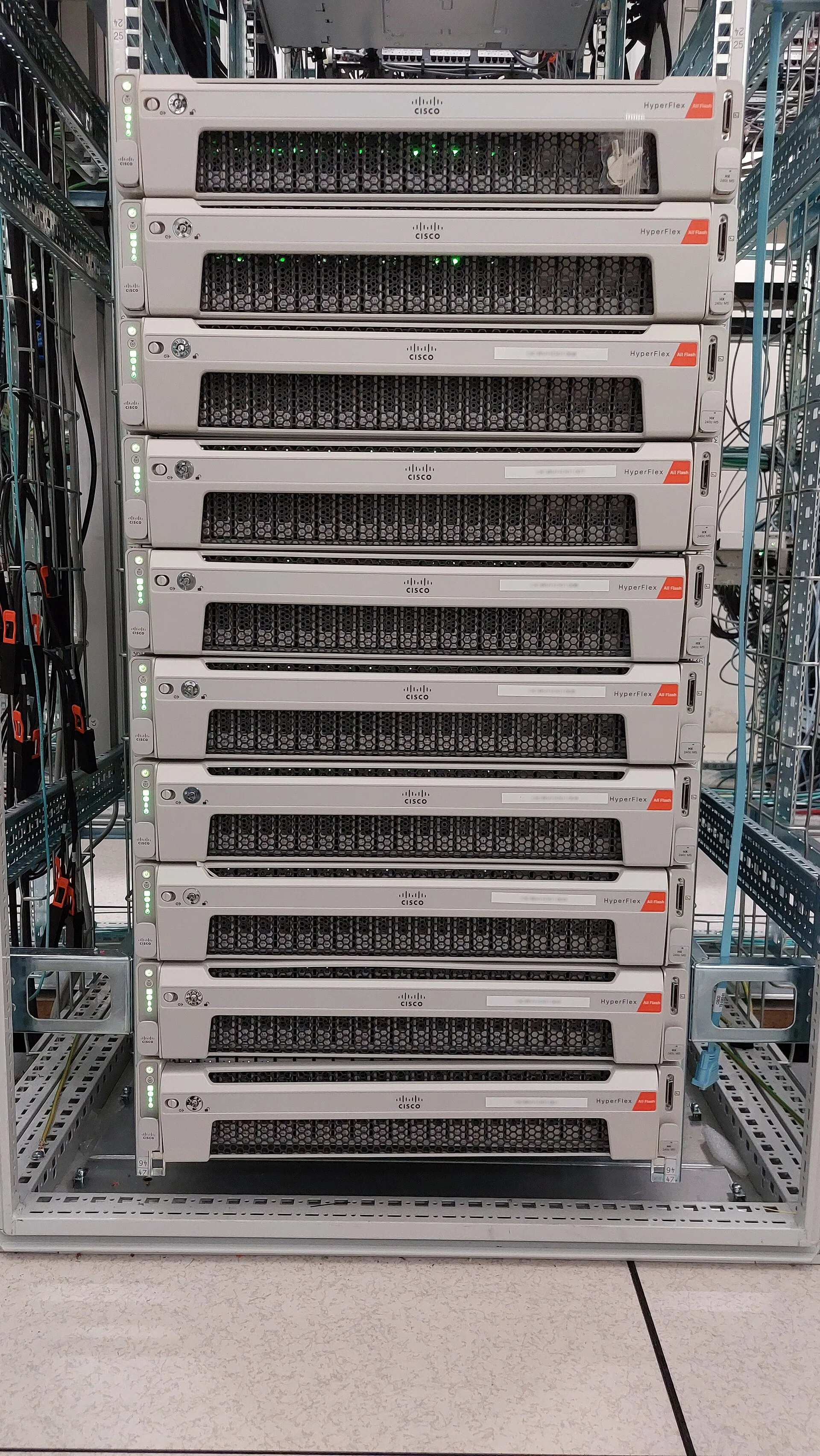
- Part of the capital funds Spark, a line of modular data centers manufactured in-house and transportable by truck to sites near large power sources.
- Crusoe has added Cloudflare CFO Thomas Seifert, Digital Realty former CEO Bill Stein and Redwood Materials CEO JB Straubel to its board.
Why modular matters more than it sounds
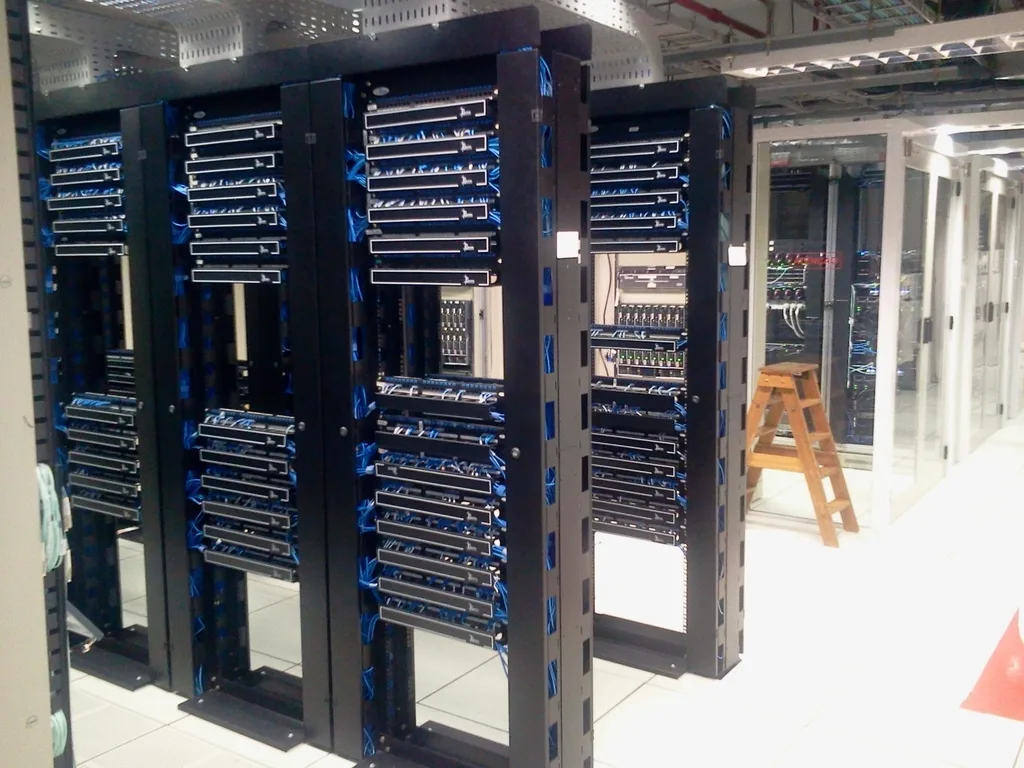
The eight-year-old company will put the money toward existing projects, including a large site in Abilene, Texas used by OpenAI. The more unusual line item is Spark: smaller modular data centers built at Crusoe's own facilities, moved by truck, and connected to large power sources more or less wherever those sources happen to be.
Two constraints make that appealing. One is speed — manufacturing capacity rather than constructing it removes the need to assemble a large building workforce for every site. The other is political. Sprawling data center complexes have drawn sustained opposition from the communities they land in, and a distributed fleet of smaller units is a meaningfully easier thing to site. Whether it stays easier once the unit count climbs is an open question, but the strategy at least routes around the objection instead of absorbing it.
The bet also reflects where the real bottleneck has moved. Compute demand is no longer primarily gated by chip supply but by power and permitting, and a design that travels to the electricity rather than waiting for transmission to arrive is a direct response to that. Chief executive Chase Lochmiller framed the ambition as controlling the chain from electrons to tokens — vertical integration language that has become common among infrastructure providers courting long-term AI customers.
Three revenue lines, one balance sheet
Crusoe sells compute three ways: leasing data center space to customers who bring their own GPUs, renting out GPUs it owns, and selling inference capacity for running models. That spread is unusual. It lets the company serve hyperscalers that want space and power alongside customers who want nothing to do with hardware, and it smooths exposure to any single layer of the stack repricing.
The customer list runs to Meta, Microsoft and Oracle. Bloomberg, as relayed by TechCrunch, reported that Crusoe recently signed a $13 billion, five-year cloud contract to supply quantitative trading firm Jane Street with GPUs and AI infrastructure — a deal notable less for its size than for its buyer, since a trading firm contracting directly at that scale suggests demand reaching past the familiar set of AI labs.
The IPO question
Axios reported last month that Crusoe met with investment bankers including Goldman Sachs and Morgan Stanley to discuss a potential public offering. A $3.9 billion private round does not obviously accelerate that, though it does give the company room to choose its timing rather than have the market choose for it.
The new board additions read as preparation for a larger company. Seifert brings public-company finance from Cloudflare, Stein brings data center operating experience from Digital Realty, and Straubel — a Tesla board member and Redwood Materials founder — has an existing relationship on both sides, having invested personally in 2021 before Crusoe became the first customer of Redwood's energy storage business.
Outlook
Crusoe began in 2018 burning flared natural gas to mine cryptocurrency, then pivoted into AI infrastructure as demand for compute climbed. That origin is more relevant than it looks: the original business was built around capturing power that was otherwise being wasted, and Spark applies the same instinct to a different constraint. The risk is the one facing every balance-sheet-heavy AI infrastructure company — capacity financed against demand curves that have so far only pointed up. Recent signals have been mixed, with Nvidia trimming its OpenAI data center backstop to under $120 billion from a far larger figure. Crusoe's answer is to keep its capacity mobile.
FAQ
What is Crusoe's Spark product?
Spark is a line of modular data centers that Crusoe manufactures at its own facilities and transports by truck. Because the units ship as finished products rather than being built on site, Crusoe can add compute capacity without assembling large construction crews, and can place capacity close to major power sources.
How does Crusoe make money?
It has three revenue streams: leasing data center space to customers who supply their own GPUs, renting out GPUs that Crusoe owns, and selling inference compute for running AI models. Customers include Meta, Microsoft and Oracle, and Bloomberg reported a $13 billion five-year contract with Jane Street.
Is Crusoe going public?
Nothing has been filed. Axios reported last month that the company held discussions with Goldman Sachs and Morgan Stanley about a possible offering, and the new board appointments add public-company financial experience. The $3.9 billion round reduces near-term pressure to raise from public markets.