
Anthropic Lets Firms Self-Host Claude Agents
Anthropic on Nov. 12 launched self-hosted Claude Managed Agents, letting companies run the service, a PostgreSQL store and sandboxes on their own infrastructure and route model calls to Anthropic, Bedrock, Google Cloud, Foundry or a gateway. Access is by request; webhooks, dreams and the Files API are not supported.
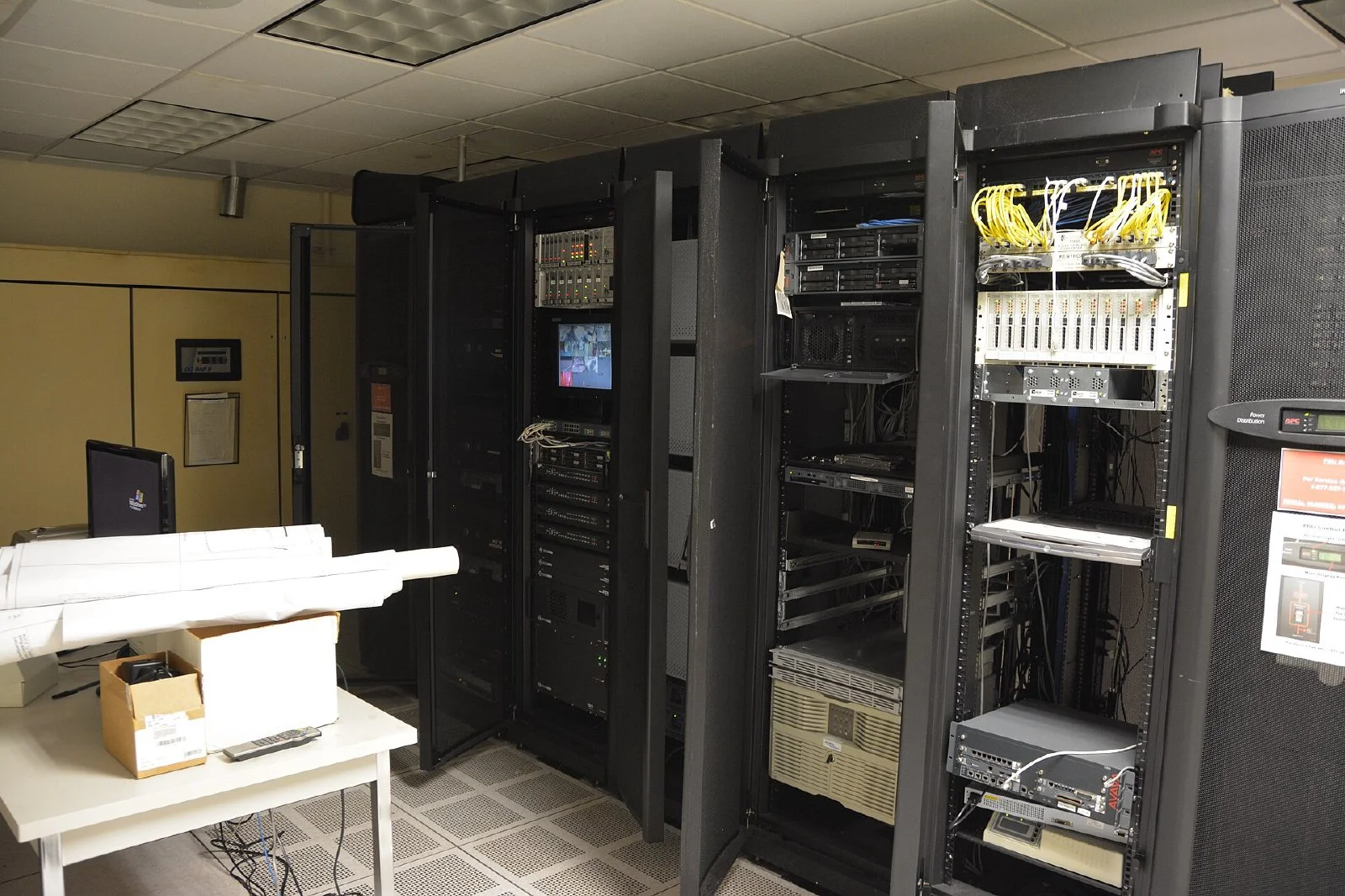
Anthropic on Thursday, Nov. 12, began letting companies run the entire Claude Managed Agents service on their own infrastructure, from the agent loop to the database that stores every session's history. The self-hosted edition, announced in the Claude Platform release notes, is available by request through Anthropic account teams.
Key takeaways
- Customers can now host both the Managed Agents service and its sandboxes in their own cloud account or on-premises data center, keeping agents, sessions and session history in their own database.
- Model calls can go to Anthropic, Amazon Bedrock, Claude Models on Google Cloud, Microsoft Foundry or a company's own model gateway.
- Nothing migrates from the hosted service, and webhooks, scheduled deployments, dreams and the Files API are not available on self-hosted servers.
What self-hosted Claude Managed Agents includes
Until now, customers could move only the sandboxes, the isolated workspaces where an agent's tools run commands, onto their own machines. Anthropic still ran the service itself: the API, the agent loop and the storage. Self-hosted sandboxes arrived on May 19, 2026, alongside MCP tunnels for reaching private servers.
The new option moves the service as well. According to Anthropic's documentation, a deployment has three core parts: a server called cma-server that serves the API and runs the agent loop, a PostgreSQL 16 or later database, and workers that execute shell and file tools inside sandboxes.
The server exposes the same API as the hosted service, so the Claude SDK and the ant command-line tool work against it.
Choosing an inference provider
Anthropic lists two reasons to pick the self-hosted edition: a requirement to store agents and session history internally, or a requirement to route model calls through Amazon Bedrock, Claude Models on Google Cloud (Google managed), Microsoft Foundry or an in-house gateway. Companies that only need tools to run inside their network are pointed back to self-hosted sandboxes.
Self-hosting does not keep every byte inside the firewall. For each model call, the server sends the conversation so far, including tool inputs and results, to the chosen provider. Calls to the Claude API also carry the session, agent and environment IDs, the docs say.
What self-hosted servers give up
Anthropic's list of differences states that nothing is copied from the hosted service, session history included. Teams must recreate agents, skills, vault credentials and memory stores.
Several hosted features are missing: cloud environments, the Files API, OAuth-based MCP credentials, prebuilt Word, PDF, PowerPoint and Excel skills, scheduled deployments, webhooks and dreams, the memory-review feature AI Newsway covered when Claude agents began fixing bad memories by "dreaming." MCP servers must be on an allowlist that starts empty, web tools are off by default, and MCP tool results are cut at 100 KiB unless changed.
In exchange, self-hosted servers add single sign-on through OpenID Connect, storage of vault secrets in a company's own secret manager and signed agent identity tokens that MCP servers can verify.
Context: security becomes the customer's job
The docs are direct about the trade. The agent's bash tool "is a real shell" with the worker's permissions and network access, and the worker does not isolate it. Securing the server, hosting memory stores and spotting unusual usage, duties Anthropic handles in its hosted service, shift to the customer, and each trust level needs its own deployment.
What's next
Anthropic has not published pricing for the self-hosted edition on its documentation pages, and access runs through account teams. Customers already running self-hosted sandboxes can point the same worker software at the new server, though workers triggered by webhooks will not start.
FAQ
How is this different from self-hosted sandboxes?
Self-hosted sandboxes move only tool execution to the customer while Anthropic runs the service. Self-hosted Managed Agents moves the API, agent loop and storage too.
Does data still reach Anthropic?
Conversation data goes to whichever inference provider the server uses. Anthropic is the default.
References
- Claude Platform release notes — Anthropic (Nov. 12, 2026)
- Self-hosted Claude Managed Agents — Claude Platform Docs
- Differences from the hosted service — Claude Platform Docs
Editor responsible for AI Newsway. Writes about AI, developer tools, cloud and productivity technology.



Comments 0
Comments are currently disabled.