Apple spent its September 9 event introducing a foldable phone, and almost everything else it announced was about making machine learning run locally. The iPhone Duo earned the applause, but the A20 Pro silicon, an image-provenance system built into the camera sensor, and an Apple Watch that keeps a rolling transcript of what it just heard are the announcements that change what the platform can do.
Key takeaways
- The A20 Pro packs a Dual 16-core Neural Engine totaling 32 cores, which Apple says doubles the AI processing throughput of the A19 Pro on a 2-nanometer process.
- Apple Reference Image signs sensor data at capture and develops an unalterable reference frame through Private Cloud Compute, with SynthID support arriving in a later update.
- Apple Watch gains Live Rewind, surfacing the previous 15 seconds of conversation as text, plus a Siri Recap digest of the day's spoken moments.
What the event was actually about
This was the first fall keynote run under John Ternus, newly installed as Apple's chief executive, and the staging told you where the company thinks its moat is. Billed as "Surprise and Shine," the event led with hardware novelty and spent its technical depth on silicon and inference capacity.
The foldable itself is conventional in ambition and careful in execution. The iPhone Duo opens to a 7.6-inch display from a 5.4-inch exterior panel, hides a camera under the inner screen to preserve an uninterrupted surface, and hinges on a Grade 5 aluminum assembly that Apple says runs to more than 100 purpose-built components. Two 48-megapixel cameras handle main and ultrawide duty with 2x optical zoom, and battery figures land at 31 hours of video on the inner display or 44 on the outer. It starts at $1,999 for 256GB, with preorders October 16 and retail availability October 23, which makes it the last product of the cycle to ship rather than the first.
Why the A20 Pro matters more than the hinge
Built on a 2-nanometer process, the A20 Pro pairs a 6-core CPU carrying integrated Neural Accelerators with a 7-core GPU that Apple rates as up to 40% quicker than the A19 Pro. Memory bandwidth rises 50%. The headline for AI workloads is the Dual 16-core Neural Engine, 32 cores in total, which the company credits with twice the AI throughput of last year's chip.
Sustained performance got as much attention as peak. Apple moved the memory out of the chip's thermal path by packaging the die alongside it, M-series style, which lets the silicon bolt directly to a vapor chamber carrying three times the surface area of the iPhone 17 Pro's. The claimed result is up to 40% better sustained performance, which is the number that actually governs whether a long on-device model run throttles. A C2 modem and the N1 wireless chip round out the silicon, with Wi-Fi 7, Bluetooth 6, Thread, and mmWave in the US.
A camera that signs its own output
The Pro camera story is a variable aperture, the first on an iPhone, driven by six laser-cut blades that sweep from ƒ/1.48 for low light to ƒ/4 when a group photo needs depth. Developers get API access across the range, and a new Pro controls panel exposes shutter speed, white balance, and a histogram.
The more consequential feature is quieter. Apple Reference Image uses a sensor capable of signing every pixel it records; shoot in Reference mode and Private Cloud Compute develops that signed data into an unalterable frame that sits in Photos like a digital negative for comparison against any edited version. APIs across iOS, iPadOS, and macOS 27 let third-party apps display those references, and support for the SynthID watermarking standard follows in a later update. It is opt-in, unavailable in China at launch for regulatory reasons, and in the EU the capture step is withheld initially while viewing and developing are not.
Siri AI ships as a beta, minus Europe
iOS 27 arrives September 14 carrying Siri AI in beta: an assistant with personal-context retrieval across messages, email, and photos, onscreen awareness, a Siri mode inside the Camera app, and dictation-as-composition. English leads, with French, Japanese, Korean, Portuguese, and Spanish following in October. Siri AI will not launch in the EU on iOS, iPadOS, or watchOS.
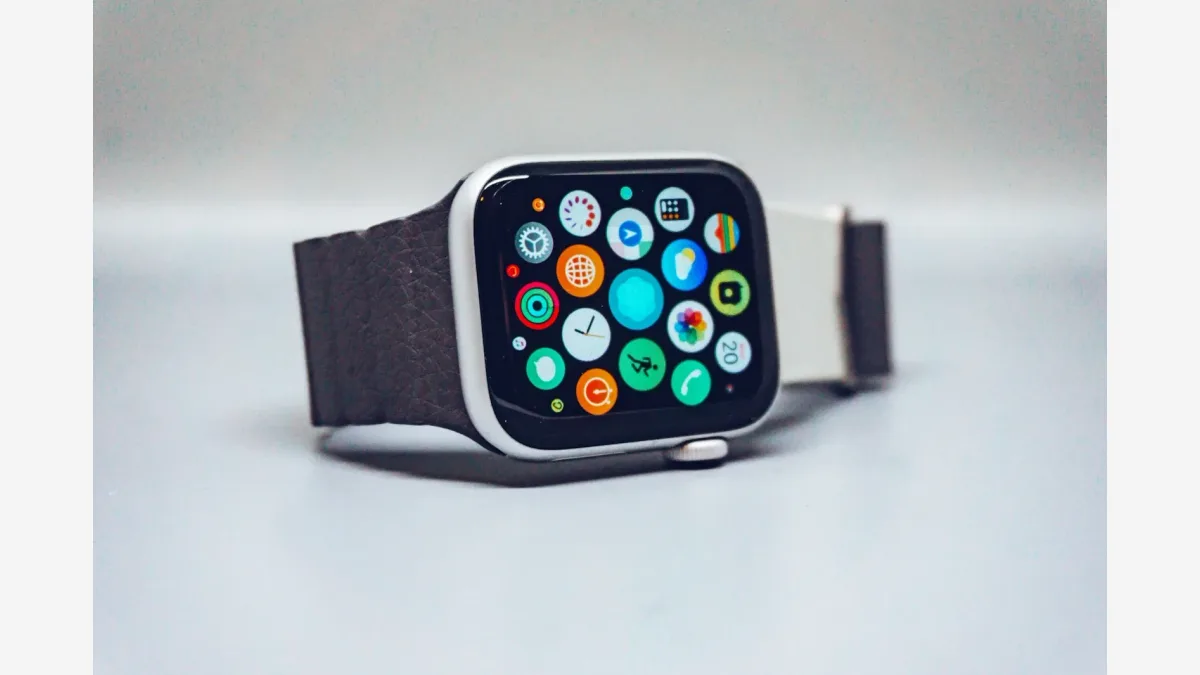
On the wrist, the ambient-listening features are the ones worth watching. Apple Watch Series 12 at $399 and Ultra 4 at $499 skip a hardware refresh and ship Audio Intelligence instead, including Live Rewind's 15-second text replay and Siri Recap's summary of a day's conversations, plus a Sound Recognition mode that flags sirens, alarms, doorbells, and a crying baby for users who are hard of hearing. Apple has already detailed the privacy architecture behind always-on listening, which it will need to keep explaining.
Pricing and what to watch
The iPhone 18 Pro opens at $1,199 and the Pro Max at $1,299, each $100 above last year, in black, silver, glacier, and burgundy across 256GB to 2TB. Preorders began September 12 with availability September 18 in 65-plus countries. AirPods 5 land at $129, claiming 50% more background-noise reduction and adding stem volume control, and a rebuilt Health app with a Readiness score and Health Age calculation arrives later this year in US English.
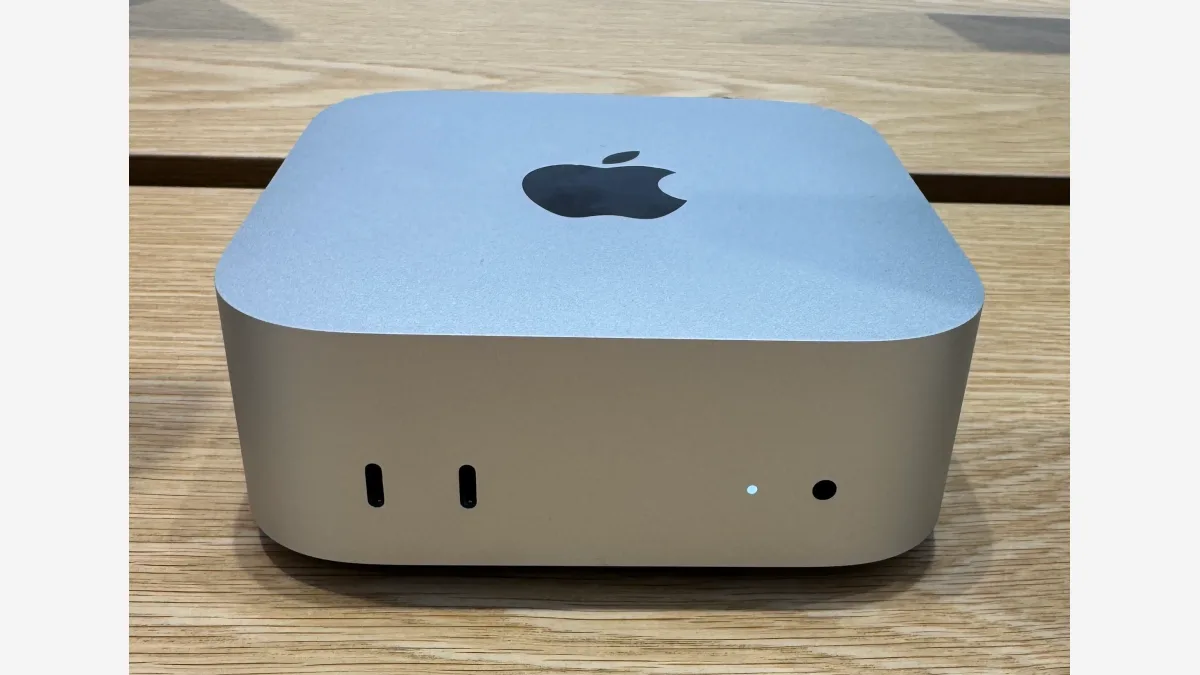
The open question is whether a doubled Neural Engine finds work. Apple's on-device push has run ahead of its software for two cycles, most visibly when it put its first 2nm chip in a Mac mini aimed at local AI. Siri AI shipping as a beta, absent from Europe, suggests the silicon is still waiting on the assistant. Full specifications are in Apple's iPhone 18 Pro newsroom release, and TechCrunch catalogued the full slate of announcements.
FAQ
Is Siri AI available everywhere at launch?
No. It rolls out in beta with iOS 27 on September 14 in English only, with French, Japanese, Korean, Portuguese, and Spanish following in October. Apple has confirmed Siri AI will not be available initially in the EU on iOS, iPadOS, or watchOS, and features depending on it are withheld there too.
How does Apple Reference Image prove a photo is unedited?
The Main camera's sensor cryptographically signs the pixel data it captures, and Private Cloud Compute turns that signed capture into a reference frame stored alongside the finished photo. Viewers compare the two to see whether edits were applied, similar to checking a digital negative.
When does the iPhone Duo actually ship?
Preorders open October 16 and the device reaches stores October 23, roughly five weeks behind the iPhone 18 Pro lineup's September 18 availability. It starts at $1,999 with 256GB of storage in two finishes.