
Wikimedia Splits AI Training, RAG in NYT Case
The Wikimedia Foundation said Oct. 30 it filed an amicus brief in the consolidated OpenAI copyright case, arguing AI training may be fair use while retrieval-augmented generation should respect source licenses such as CC BY-SA 4.0.
The Wikimedia Foundation, which runs Wikipedia, has asked a federal court in New York to treat AI model training and AI chatbot retrieval differently in the consolidated copyright case against OpenAI. In a friend-of-the-court brief announced Oct. 30, the foundation said training can be fair use, but that tools pulling in content to answer questions should follow the source's license.
Key takeaways
- Wikimedia sides with neither OpenAI nor The New York Times and asks the court to judge each AI use separately.
- Training "may qualify as fair use" when the model is "something new and different" from the works it learned from.
- Retrieval-augmented generation (RAG) should respect licenses such as Wikipedia's CC BY-SA 4.0, including credit to contributors.
What the Wikimedia amicus brief argues
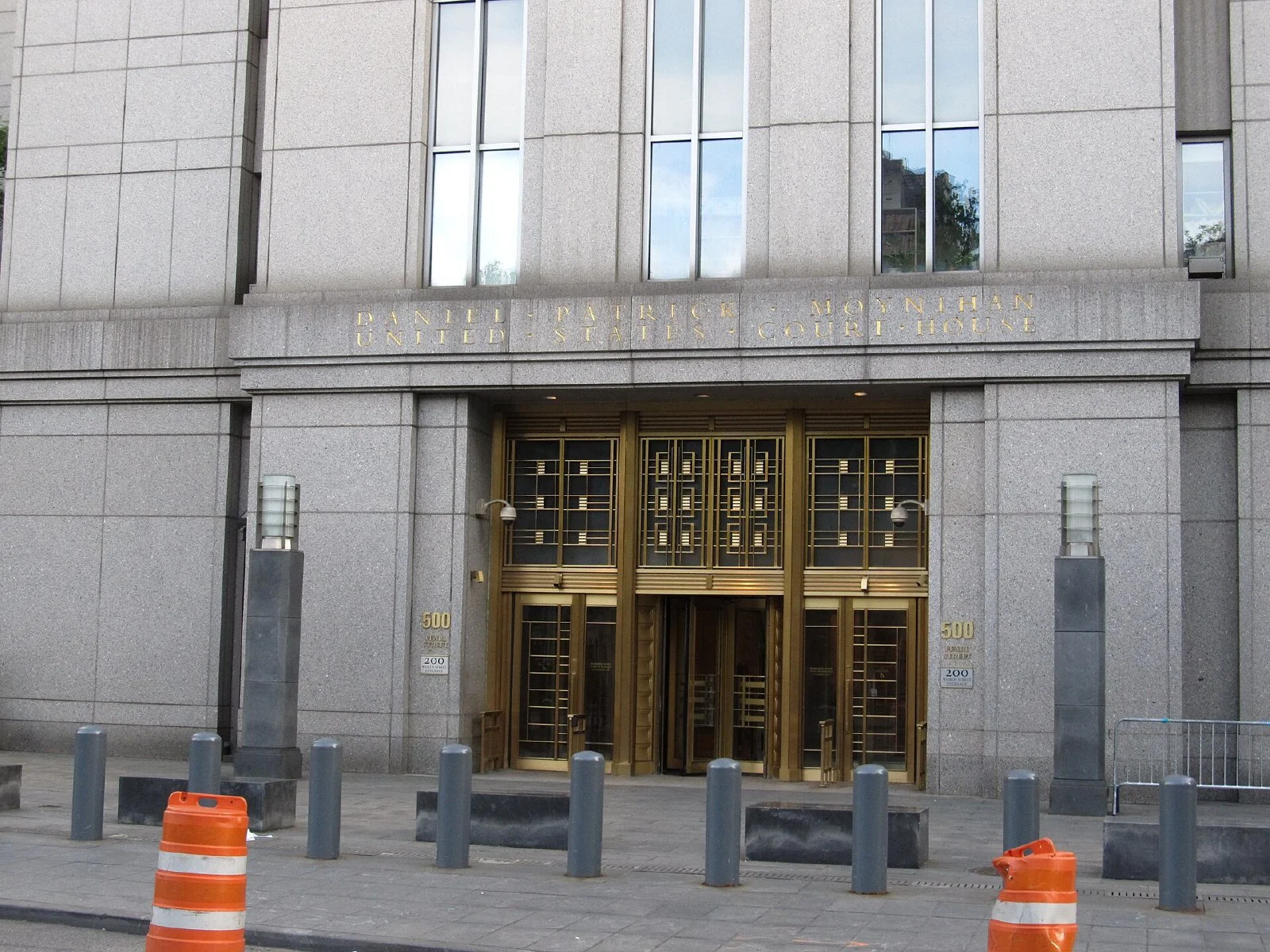
The brief was filed in In re: OpenAI, Inc. Copyright Infringement Litigation in the U.S. District Court for the Southern District of New York. The case combines 12 lawsuits, the best known being The New York Times' 2023 suit against Microsoft and OpenAI.
"The Foundation is not taking the side of either OpenAI or The New York Times in this case," Wikimedia wrote on its Diff blog. It said it "sees risks in overly broad answers in either direction" and urged that "the court should consider how material is being used, rather than treat every AI use as the same."
On training, the foundation argues that copying works to build a model "may qualify as fair use when the resulting model is something new and different from those works." It warned that an overly restrictive outcome on training could harm Wikimedia volunteers' ability to access relevant knowledge.
Why RAG is treated differently from AI training
RAG systems fetch outside material at the moment a user asks a question and use it to build the answer. For those uses, Wikimedia says AI companies "should respect the source's licensing requirements rather than treat the use as fair."
For Wikipedia, that means CC BY-SA 4.0, which requires credit to the original creators and that adaptations stay under the same license. "Giving credit preserves a connection between the information people receive and the contributors who made it available," the foundation wrote.
The brief also targets how content is collected. Whether material is gathered for training or retrieved for answers, Wikimedia says companies "must respect its public API rate limits or use its Wikimedia Enterprise API offerings." The issue echoes a wider push by publishers for more accountable AI crawlers.
Context: Wikipedia's stake in the OpenAI copyright case
Wikipedia has more than 67 million articles in 300 languages written by nearly 250,000 volunteer editors, according to the foundation. That makes it a common source for both model training and chatbot answers.
"We are taking a position in this case to defend the free and open human knowledge that Wikipedia depends on," CEO Bernadette Meehan said, as quoted by The Next Web. General counsel Stephen LaPorte told Engadget that a ruling that "does not apply fair use principles carefully could threaten the sustainability of free knowledge."
The positions of the main parties are far apart. The Times and other publishers argue that acquiring works, training on them and using them to answer questions should not be fair use. OpenAI argues that all of its uses are fair.
What's next
Judge Sidney H. Stein has not yet decided whether to accept the brief or ruled on whether training is fair use, The Next Web reported. Engadget reported that a summary judgment ruling is expected soon. Any decision that separates training from retrieval could shape licensing talks between AI firms and publishers well beyond this case.
FAQ
Is Wikimedia supporting OpenAI?
No. It backs fair use for some training but says retrieval-based answers should follow source licenses, a view that cuts against OpenAI's claim that all its uses are fair.
What is RAG?
Retrieval-augmented generation connects a chatbot's answer to outside sources fetched at query time, rather than relying only on what the model learned in training.
What does Wikipedia's license require?
CC BY-SA 4.0 requires credit to creators and that adaptations remain under the same license.
References
- Why Wikimedia is speaking up in a major AI copyright case — Wikimedia Diff (Oct. 30, 2026)
- Wikimedia asks court to rule AI training fair use, but not chatbot copying — The Next Web (Oct. 30, 2026)
- The Wikimedia Foundation weighs in on the NYT's case against OpenAI — Engadget (Oct. 30, 2026)
Editor responsible for AI Newsway. Writes about AI, developer tools, cloud and productivity technology.



Comments 0
Comments are currently disabled.