Volta did not exist thirteen months ago. It now holds a roughly $10 billion, six-year contract to supply Anthropic with computing capacity, a deal TechCrunch reported on August 4 and one of the largest commitments ever made to a company this young.
The founders are not software people. Volta was incorporated in January 2026 by former executives of Brookfield Asset Management, an infrastructure investor whose business is power plants, ports and industrial property. That resume is the whole thesis. Assembling a modern training cluster is now a permitting and electricity problem before it is an engineering one, and the people who know how to close on 133 megawatts of firm power are project financiers rather than distributed systems engineers.
Norway, Hydropower and a Crypto Miner
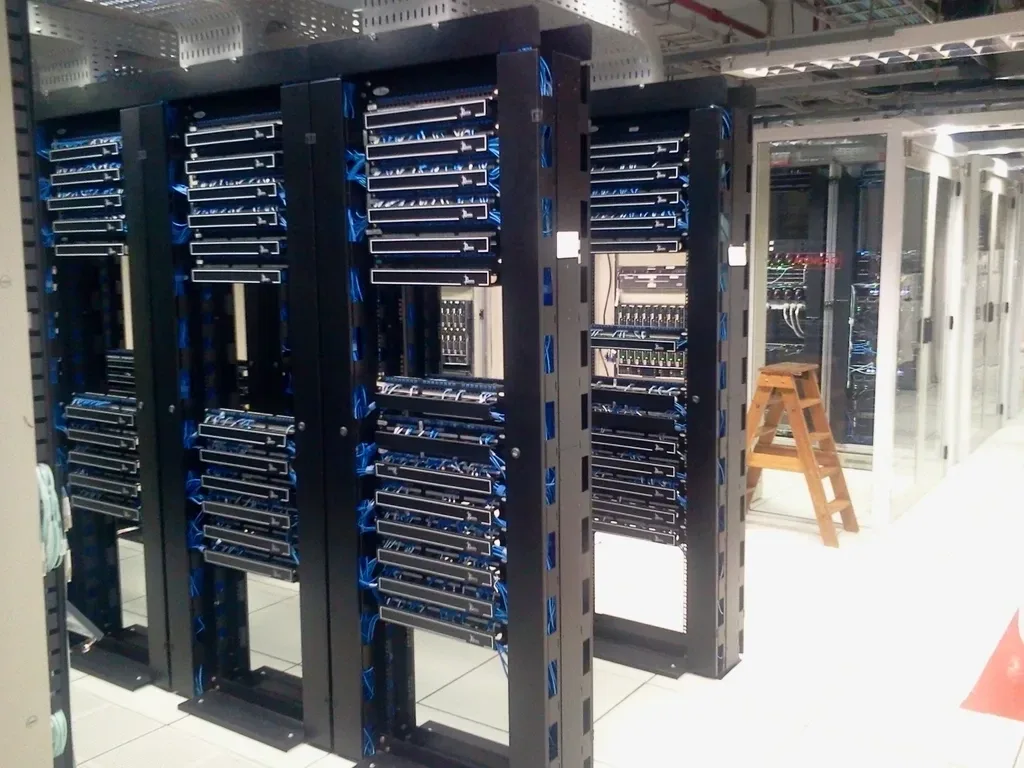
The contracted capacity will sit in Norway, built in partnership with Bitdeer, a company that spent years mining cryptocurrency. Bitdeer brings exactly what a greenfield operator lacks: existing power agreements, shell buildings engineered to shed extraordinary heat, and operational experience running hardware at density around the clock.
Norway supplies the rest. Hydroelectric generation is abundant and cheap there, and ambient temperatures cut the cooling overhead that dominates operating expense in warmer regions. The site is specified at roughly 133 megawatts and slated to run Nvidia Vera Rubin systems, the newest generation of the company's AI accelerators.
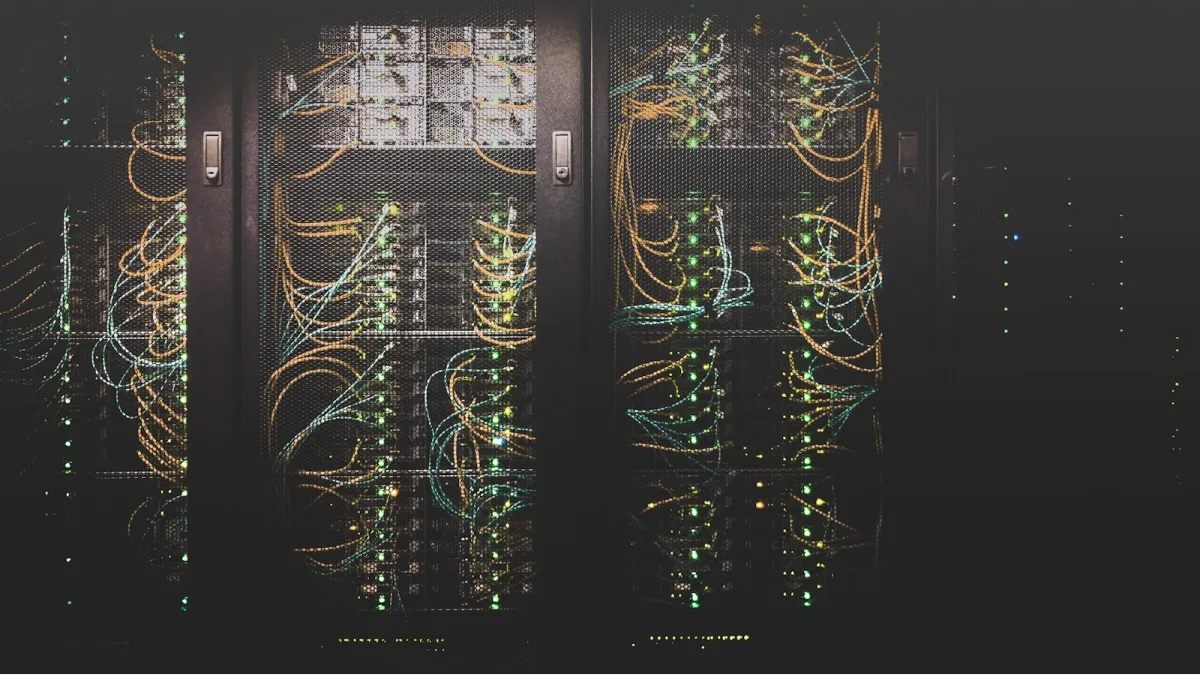
Converting a mining facility to AI training is not a simple swap. Mining rigs tolerate interruption and network latency that would ruin a training run, so the interconnect fabric, power conditioning and redundancy all have to be rebuilt to a far stricter standard. What carries over is the part that takes years to obtain: the grid connection.
How a New Company Attracts This Kind of Money
Volta has raised about $300 million in venture funding at a $2.4 billion valuation, with Nvidia, Andreessen Horowitz, Altimeter and Azora on the cap table. Nvidia investing in a firm that will spend heavily on Nvidia silicon is a structure that has recurred throughout this buildout, and one analysts have begun scrutinizing for how much apparent demand is financed by the supplier.
A signed contract of this size changes what Volta is as a financial object. A speculative construction project becomes an asset with a named counterparty and a defined revenue schedule, which is the precondition for raising debt against it. Equity funds the first site; contracted cash flow funds the next several.
The Case for Buying From a Startup
Established clouds allocate capacity across thousands of tenants with competing priorities. A startup with a single anchor customer can design the entire facility around one workload — network topology, power density, cooling, failure domains — and commit to a delivery date without an internal queue.
The tradeoff is execution risk. Volta has never delivered a facility at this scale, its partner's expertise comes from a different industry, and construction schedules for sites drawing this much power are routinely measured in years. Neither company has said when the Norwegian site will carry production traffic.
What the contract does establish is that specialist infrastructure builders can now win business against hyperscalers on speed alone. For a set of investors who came from financing physical infrastructure, that is a familiar trade — buy the scarce input, sign a long-term offtake, and let the tenant worry about the software.