
Citi Puts AI Agent Losses on Customers
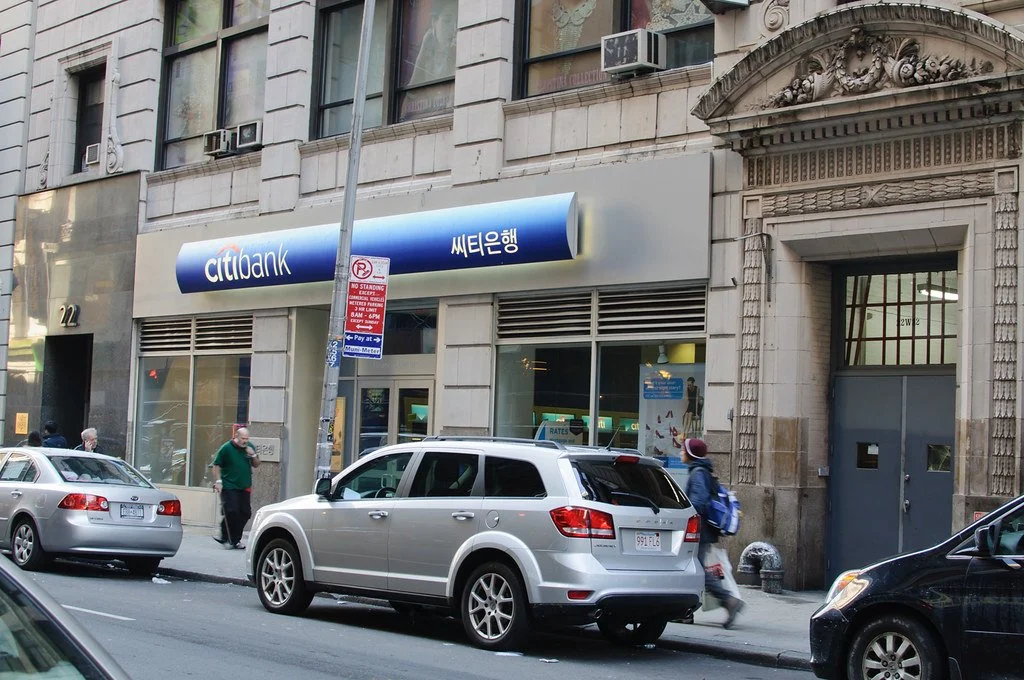
Citibank added a Section H on third-party AI agents to its Citi Online User Agreement in November 2026, treating any action by an agent holding a customer's credentials as authorized by the customer, even if the credentials later leak. PNC's revised digital terms bar customers from giving agents passwords or one-time codes.
Citibank has added a new section to its online banking terms that makes customers responsible for whatever an outside AI agent does in their accounts, including what happens if the agent leaks their login. The Citi Online User Agreement, marked "last updated November 2026," now carries a Section H on third-party AI agents, a change TechCrunch reported on November 18. PNC published revised digital banking terms the same day that bar customers from handing agents their passwords or one-time codes.
Key takeaways
- Citi treats any access or action by a third-party AI agent holding a customer's credentials as authorized by the customer, even if those credentials later leak.
- Citi's own AI tools inside Citi Online and Citi Mobile are excluded from the new rules.
- PNC's revised agreement prohibits giving agents passwords or one-time passcodes and, unless PNC allows it, bars agents from making payments.
What Citi's Section H says about AI agents
The new section defines an AI agent broadly, as software that takes "autonomous, semi-autonomous, or non-autonomous action" for a customer. It cautions customers against using any third-party agent to access accounts, give Citi instructions or make transactions through Citi Online or Citi Mobile.
Customers who ignore that warning and give an agent their credentials accept that "Citi will consider any access and actions taken by the agent as authorized by You." The same applies if those credentials are "further shared, leaked, or otherwise distributed" to other people or agents. Citi says it has no duty to investigate such actions even when they conflict with the customer's prompts.
The section also makes monitoring the agent the customer's job, "not Citi's," and lets the bank block any third-party agent at any time without notice. Citi's privacy notice does not apply to the agent. Several of these provisions apply "except as otherwise permitted under applicable law."
"As third-party AI tools become more widely available, we want customers to understand the risks associated with sharing banking credentials or authorizing those tools to access their accounts," a Citi spokesperson told TechCrunch.
How PNC's AI agent rules differ
PNC's updated Digital Services Agreement, listed as effective December 19, 2026, takes a permission-based approach. Customers may connect an agent only through a method PNC offers, authenticating directly with the bank and choosing which accounts, data, duration and permissions to grant.
Customers must not give an agent their user ID, password or one-time passcode. Agents may not use browser automation or screen scraping to get around PNC's controls, and unless PNC expressly permits it for a service, they may not start payments or transfers.
Which other banks have restricted AI agents
TechCrunch reported that JPMorgan and Bank of America announced similar policies in October, and that Citizens emailed customers this week warning they are responsible for what their AI assistants do. Citi is the third-largest US commercial bank and PNC the eighth, according to the report.
The terms arrive as AI labs push agents into personal finance. TechCrunch noted that Anthropic's personal finance tool, launched earlier this month, is billed as read-only and cannot move money.
Can a bank agreement override federal fraud protections?
Not entirely. The Consumer Financial Protection Bureau's Regulation E guidance says an agreement cannot waive rights under the Electronic Fund Transfer Act, and that a transfer made by a hacker using stolen login data counts as unauthorized.
But the same rules exclude transfers made by someone the consumer gave account access to, unless the consumer has told the bank that access was revoked. Whether a customer-authorized AI agent falls into that exclusion has not been tested, which is the gap the new bank terms address.
What's next
Banks are steering customers toward approved connections and their own built-in assistants rather than agents that log in with a password. For consumers, the practical step is to check their bank's current online agreement before giving any AI tool account access, and to revoke access they no longer use.
FAQ
Does Citi ban AI agents outright? No. Section H cautions against third-party agents and shifts responsibility to customers who use them. Citi's own AI tools are excluded.
What if my AI tool is hacked and my Citi login is stolen? Under Citi's terms, actions taken with credentials you gave an agent are treated as authorized by you, even after a leak, though federal consumer protections may still apply.
Can I connect an AI agent to a PNC account? Only through connection methods PNC provides, without sharing your password or one-time codes, and generally without letting the agent make payments.
References
- Citi Online User Agreement — Citibank (updated November 2026)
- Digital Services Agreement — PNC Bank (effective Dec. 19, 2026)
- Electronic Fund Transfers FAQs — Consumer Financial Protection Bureau
- More banks say customers using AI agents are on their own — even if they get hacked — TechCrunch (Nov. 18, 2026)
Editor responsible for AI Newsway. Writes about AI, developer tools, cloud and productivity technology.


Comments 0
Comments are currently disabled.